
Why Metabolism Slows After 40
(And What Actually Helps)

If you’ve reached your 40s and suddenly feel like your metabolism stopped cooperating, you’re not imagining things.
Many women notice changes like:
• Weight that’s harder to lose
• More belly fat than before
• Lower energy levels
• Workouts that don’t seem to “work” anymore
• Feeling tired even when eating less
For years we were told that metabolism is simple:
Eat less. Move more.
But in midlife, the body becomes more complex than that.
The truth is your metabolism isn’t broken. It’s responding to several biological shifts that naturally occur as we age.
Understanding these changes can help you stop fighting your body and start supporting it in ways that actually work.

The Real Reason Metabolism Changes in Midlife
Metabolism is influenced by several systems working together inside your body.
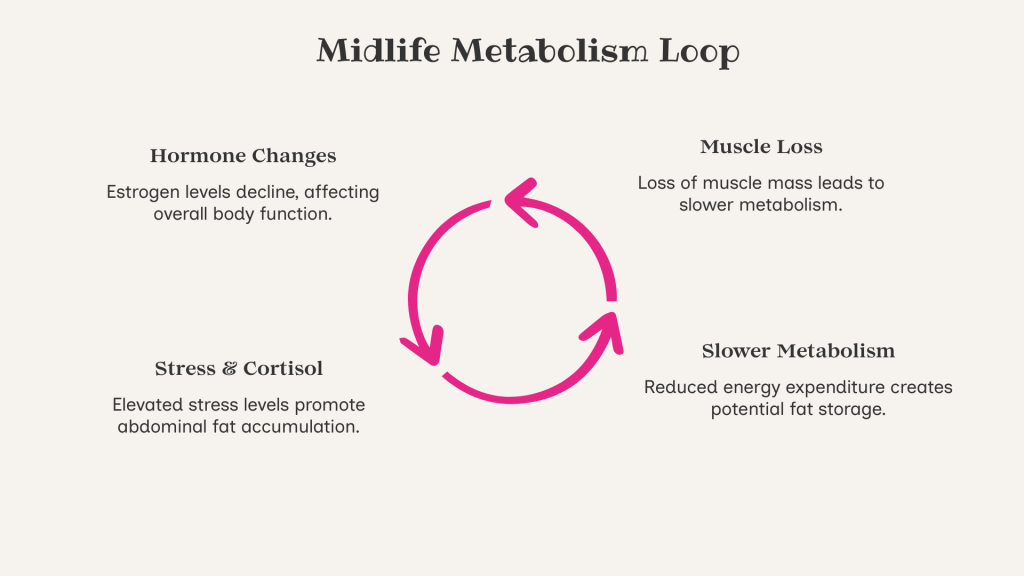
In midlife, four major factors begin to shift:
• Hormones
• Muscle mass
• Stress hormones
• Energy production
These changes interact with each other, which is why metabolism often feels very different after 40.
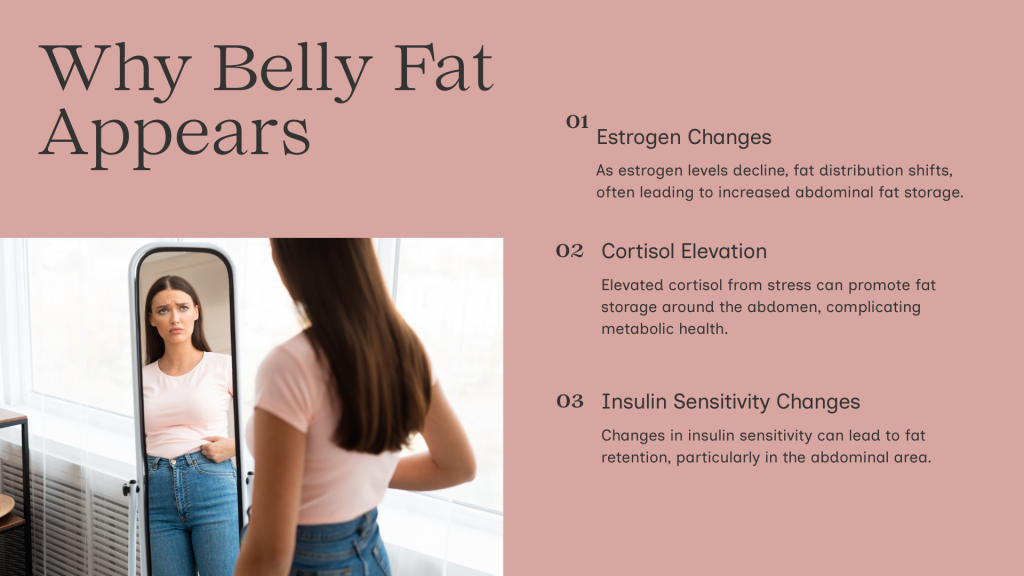
Hormone Changes Affect Metabolism
One of the biggest drivers of midlife metabolism changes is shifting hormone levels.
As women enter perimenopause and menopause, estrogen and progesterone levels begin to fluctuate and gradually decline.
Estrogen plays a role in:
• insulin sensitivity
• fat storage
• appetite regulation
• energy balance
When estrogen decreases, the body may become more likely to store fat, particularly around the abdomen.
These changes are not a sign that something is wrong. They are simply part of the body’s natural transition.
However, they do mean that strategies that worked in our 20s and 30s may no longer work the same way.
Muscle Loss Slows Metabolism

Another major factor in midlife metabolism is muscle loss.
Beginning in our 30s, we naturally start to lose muscle mass if we are not actively maintaining it.
Muscle plays a powerful role in metabolism because it requires energy to maintain.
In simple terms:
More muscle = higher metabolic activity
When muscle decreases, the body burns fewer calories at rest.
This is one reason why many women notice that their metabolism feels slower over time.
The good news is that muscle can be rebuilt and maintained through strength training and adequate protein intake.
Maintaining muscle is one of the most effective ways to support metabolism and long-term health.
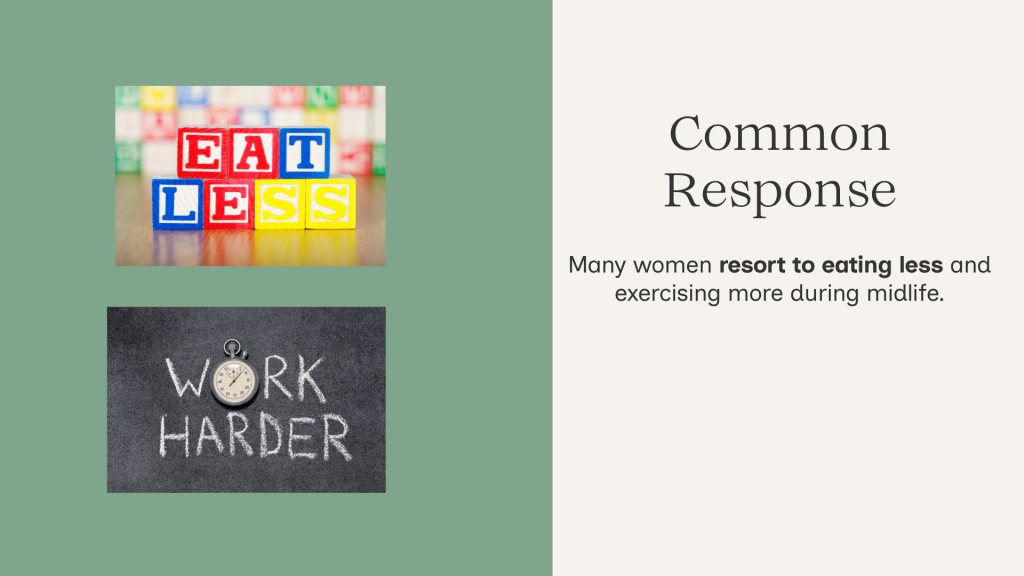
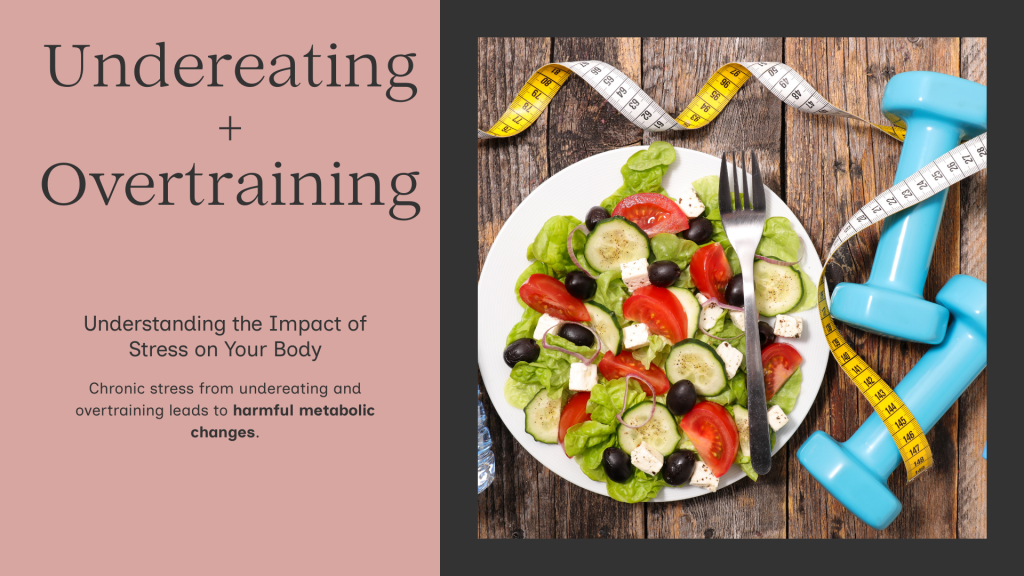
The Undereating and Overtraining Trap
When metabolism begins to change, many women instinctively respond by:
• eating less
• doing more cardio
• pushing workouts harder
Unfortunately, this combination can create a stress response in the body.
When the body perceives chronic stress or insufficient fuel, it may increase the production of the stress hormone cortisol.
Elevated cortisol can contribute to:
• muscle breakdown
• increased belly fat storage
• fatigue
• slower metabolism
This is why extreme dieting and excessive exercise often backfire in midlife.
Instead of speeding metabolism up, they may actually cause the body to conserve energy.
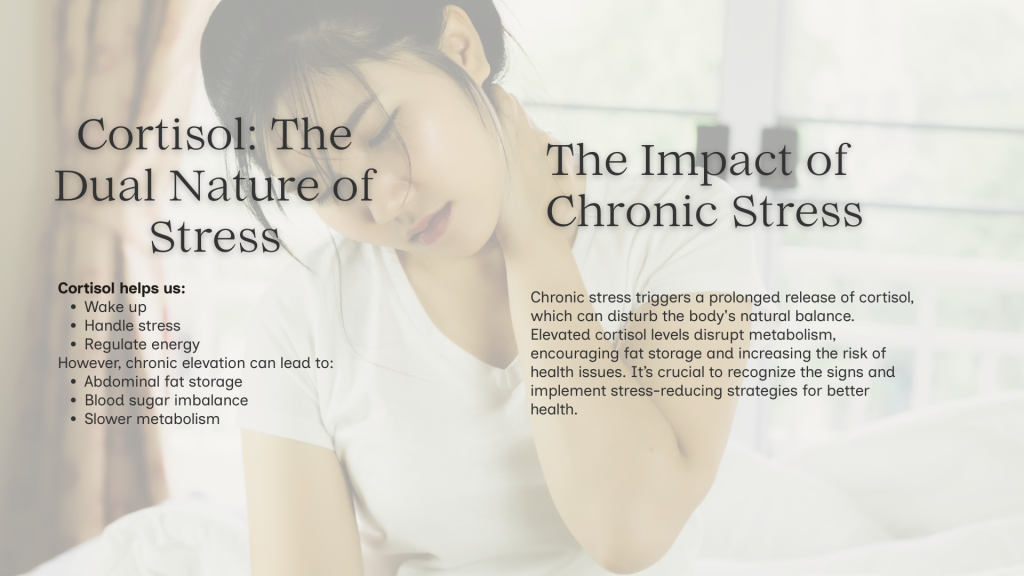
Stress and Cortisol Influence Metabolism
Midlife often brings increased stress from many directions:
• work responsibilities
• family obligations
• sleep disruption
• hormonal changes
Chronic stress can elevate cortisol levels, which influences how the body stores fat and regulates energy.
High cortisol levels are often linked to:
• increased abdominal fat
• blood sugar imbalance
• fatigue and burnout
Supporting the body’s stress response through sleep, recovery, and balanced nutrition can play a powerful role in metabolic health.
What Actually Helps Midlife Metabolism
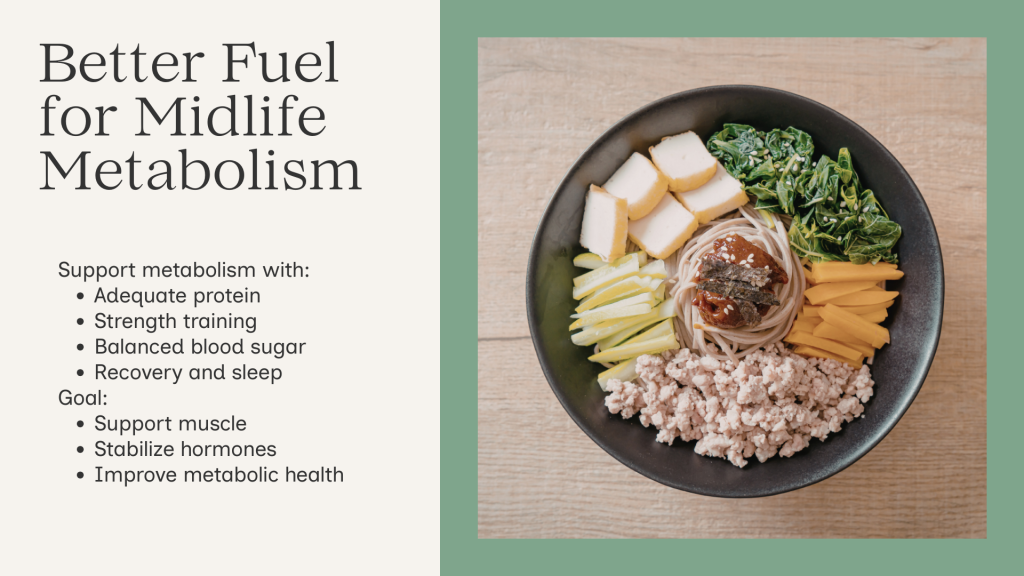
Instead of extreme diets or punishing workout routines, midlife metabolism tends to respond best to supportive strategies.
Some of the most helpful habits include:
Maintaining Muscle
Strength training helps maintain muscle mass, which supports metabolic activity and long-term health.
Eating Enough Protein
Protein helps preserve muscle and supports stable energy levels.
Managing Stress
Reducing chronic stress can help regulate cortisol and improve metabolic balance.
Supporting Sleep
Sleep plays a major role in hormone balance, energy regulation, and recovery.
Focusing on Consistency
Small sustainable habits are far more effective than drastic changes.
A Different Way to Think About Metabolism
For many women, midlife is the first time we begin to realize that our bodies require a different kind of care.
Instead of focusing only on weight or calories, it can be helpful to think about supporting the body’s systems:
• hormones
• muscle
• energy production
• stress balance
When these systems work together, metabolism naturally becomes more efficient.
This is one of the reasons we began hosting our Midlife Metabolism Education Series, where we explore the connections between hormones, muscle, nutrition, and stress in a supportive and easy-to-understand way.
If you’d like to learn more about how midlife metabolism works, you can explore additional resources here:
👉 https://www.selfcarewithshaleen.com/midlife-metabolism/
KEY TAKEAWAYS!
Metabolism changes after 40 are normal.
Your body isn’t broken, and you haven’t done anything wrong.
Midlife simply requires a different approach than the strategies many of us were taught earlier in life.
By focusing on muscle, nourishment, recovery, and stress support, you can begin working with your body instead of against it.
And when you do, metabolism often becomes much easier to support over time.

Watch the Replay!!
Midlife metabolism explained | Why your body feels different after 40


Leave a Reply